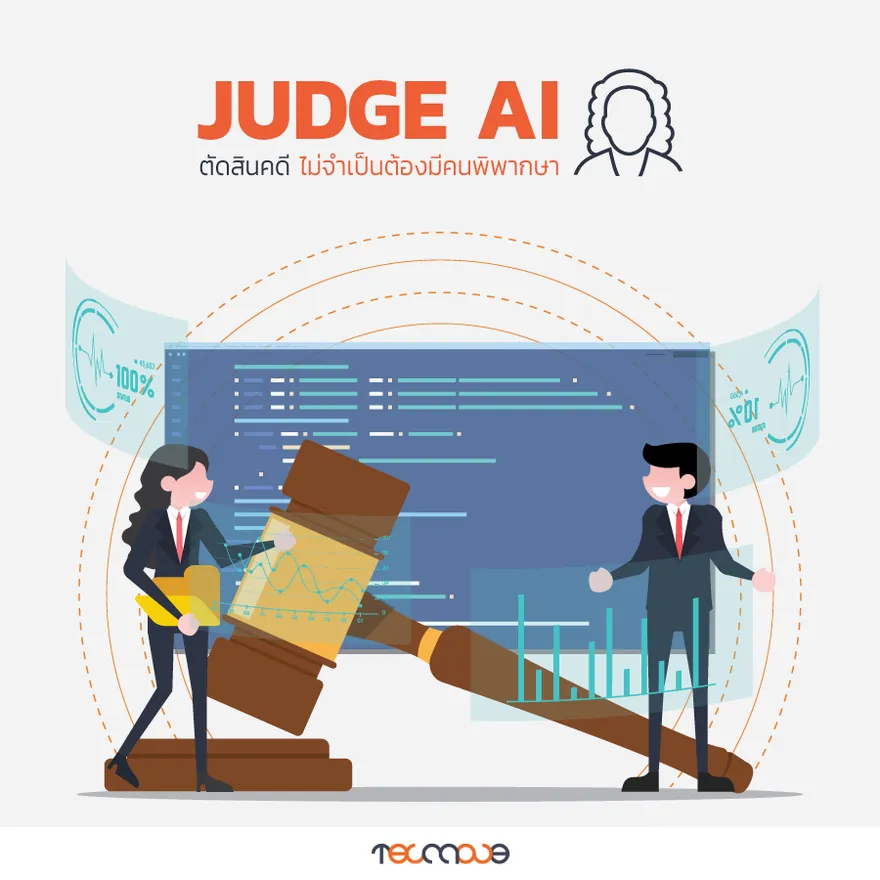
China has launched an online litigation service centre and put AI in the role of judge. It analyses speech to handle groundwork, including filing cases, freeing human judges to focus fully on adjudication.
The AI judge is modelled on a woman — voice, expression, facial cues and general behaviour — and can advise on a case in real time.
With its ability to communicate, answer questions and draw on knowledge from experts and judges, the system should improve service quality and make things easier for both the judiciary and the people using it.
What AI does well is handle repetitive, well-defined work — giving people back the time to decide what genuinely needs human judgement.
What businesses can take from this
The example comes from the judiciary, but the same principle applies to any business. Using AI for well-defined, repetitive work — screening documents, answering basic questions, verifying customer identity — cuts the time your team spends on routine tasks and frees them for higher-value work.
At Tecmove we build machine learning and AI solutions for exactly this kind of work: e-KYC identity verification with face recognition, customer traffic forecasting, and buying-pattern analysis for inventory planning.